Welcome back to The High Life!
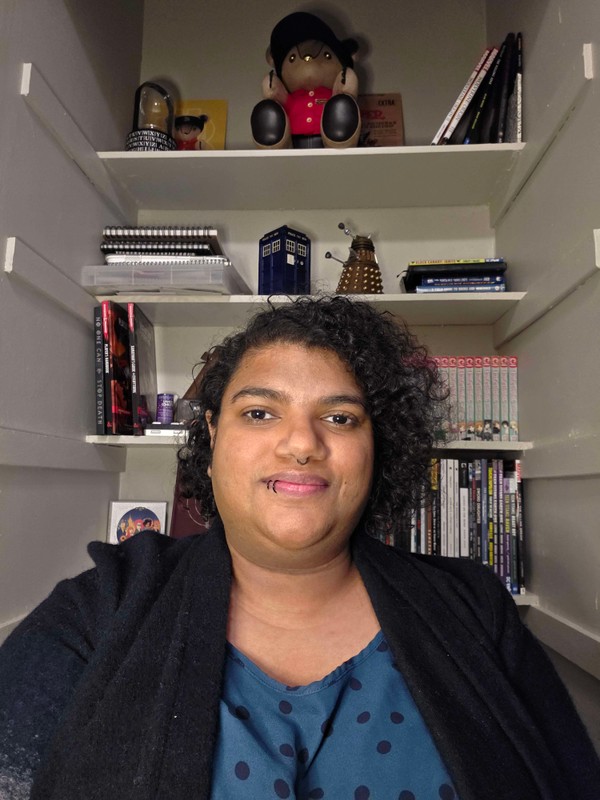
This issue, we're taking a deep dive into the artistic vision behind Highstreet World with none other than Karissa Dwarika, Highstreet's Art Director. From working for a VR startup to leading a full-fledged art team, Karissa shares insights into world-building, Easter eggs, and what it takes to balance creativity with technical precision.
We also touch on Highstreet's upcoming gladiatorial release, how design choices shape the player experience, and, of course, hidden whales.
Let's dive in! ⬇️
Meet the Team: Karissa Dwarika, Art Director
From a one-person art department to leading an entire team, Karissa Dwarika has played a key role in shaping the visual identity of Highstreet World. With a background in VR and a passion for storytelling through design, she brings worlds to life—layering in details, Easter eggs, and creative flourishes that make Highstreet more than just a game.
In this Q&A, Karissa shares her journey, the art behind the game, and what it takes to craft immersive environments. Plus, she reveals a few hidden surprises lurking in the world of Solera.
When did you join Highstreet, and how did you find out about the company?
I started pretty much right at the beginning. In fact, I started before the beginning. I graduated in 2017 and was doing freelance work. At that point, I had built up my portfolio enough to start applying for full-time jobs when I figured startups would be a good fit because I was still new in the field, and that would give me the best opportunity to learn a lot of new skills quickly. That is when I met Travis, Jenny, and Jack, who were exploring concepts for a different virtual reality startup they had at the time. The work there quickly led me down a deep rabbit hole that would eventually become my work today.
I started as a 3D artist—the only artist on staff at the time. Over time, I worked my way up to a tech artist, and as the company went through some changes, including a move to Taiwan, I became the interim art director and later the full-time art director.
What was your first interaction with VR?
I had done some freelance work creating assets for VR, but my first real interaction was a demo at Madison Square Garden. When I joined Lumiere, I was learning how to build a VR environment while simultaneously creating one. It was a crash course, but it worked out!
Can you talk a little bit about your experience with LumiereVR and how it was different from what you're doing now at Highstreet?
LumiereVR was more focused on wellness. We were building a meditation app designed for office spaces, paired with a special chair meant to help with sensory distractions in open-air offices. Users would put on a VR headset and enter different meditation spaces or watch relaxing videos—essentially a way for people to destress in high-intensity work environments.
Highstreet, on the other hand, is a game, so it has a very different focus. With that said, some of the lessons I learned while freelancing for Lumiere—like designing tranquil spaces—carry over. Not every part of Highstreet World is about combat, collecting items, or fighting monsters. Some areas are designed just for relaxation, and the knowledge I gained from Lumiere helps shape those spaces.
As an art director, what does a typical day look like for you?
Most days start with meetings—reviewing content, finalizing assets for review, and making sure everything aligns with the overall design. A big part of my job is reading documentation to ensure everything makes sense and ties into the broader vision.
I also work closely with other teams to build production tickets, address technical limitations, and refine visuals. My schedule depends heavily on the production stage—if we're in QA testing, most of my time is spent reviewing content and filing bug reports. Earlier in the cycle, I might be pulling content for mood boards or concept art. The role shifts depending on where we are in development.
What's something people might not realize about being an art director?
For me, the most rewarding part is building a team and creating a department that I would want to work in. I started as the only artist here, and now we have a full team. It's incredibly fulfilling to ensure my team is happy, not overworked, and has a good work-life balance.
Seeing my team grow and develop their skills is one of the best parts of the role.
Is there something in Highstreet World that you're particularly proud of?
As an art director, I don't get to create as many assets myself anymore, which is a bit of a bummer. But I do oversee everything and make adjustments. One of the recent favorites among the team is the mushroom creatures. They're adorable, and everyone wants a plushie of them, but they also transform into something more aggressive—so it's fun to see that contrast.
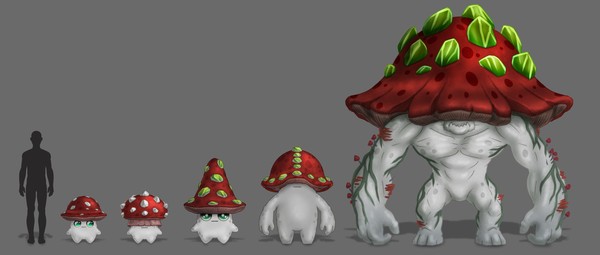
The robots have a similar effect, going from cute to super cool. And we've been layering in subtle world-building elements in the gladiatorial release, like repurposed buildings that hint at the world's history. That kind of depth makes the game feel more lived-in.
Without spoilers, what are you most excited about for the Gladiator release?
We're making a visual shift from our previous demos, thanks to new optimization strategies in Unity. This lets us push the visuals further while maintaining strong performance.
Combat options are evolving, and overall, tech advancements have softened some of the limitations we faced a year ago. I'm especially excited about seeing the full environments come together and getting promo pieces out there. I think it's going to look stunning.
What advice would you give to aspiring 3D artists or art directors?
Always push yourself to learn new things. Expanding your skill set not only makes you more valuable but also keeps you creatively engaged. Even if you're already working in a larger company, finding ways to challenge yourself is important.
Also—work-life balance matters. Burnout is real, and knowing how to pace yourself is crucial in a creative field.
What's your favorite software or platform for creating?
For 3D work, I'm a 3ds Max person—that's what I learned in school, and I'm fastest in it. But personally, I love sculpting. I've been doing some jewelry design, which helps with understanding texture, material, and 3D space in a tangible way.
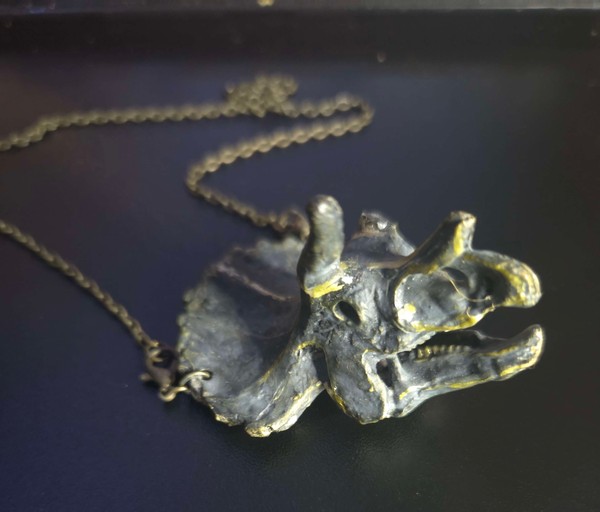
A Triceratops pendant necklace, handmade by Karissa
In VR, getting materials to feel right is crucial. A glass bottle, for example, should have the right level of transparency and reflection. Even if the art style is stylized, those real-world elements still need to come through.
What keeps you inspired?
Video games, definitely. Running around in different worlds, seeing how others design things—it's inspiring. I also love tabletop RPGs like Dungeons & Dragons and Pathfinder. Playing with friends helps me think about how players interact with environments and what makes spaces feel alive.
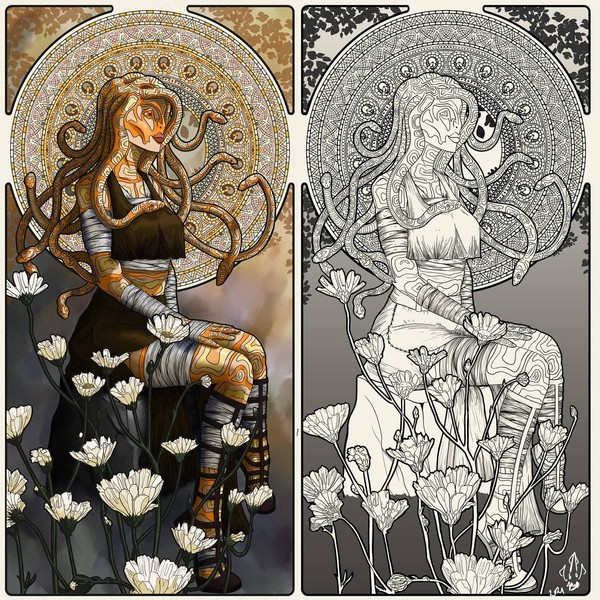
I'm also really into comic books—their aesthetics influence my work. Outside of that, I enjoy exploring cities and finding odd art pieces. Sometimes, things don't need a purpose—they can just exist for joy, and that's something I like to incorporate into Highstreet.
Any fun Easter eggs hidden in Highstreet?
Yes! There's a duck skeleton hidden on Highstreet Campus, which started as a Halloween asset that I decided to keep as an Easter egg. We also hide things that bring us joy—our artists have a lot of freedom to sneak in little details.
Personally, I love whales, so I push to hide whale-related things in the world whenever I can. It has nothing to do with the lore—it's just because I like them!
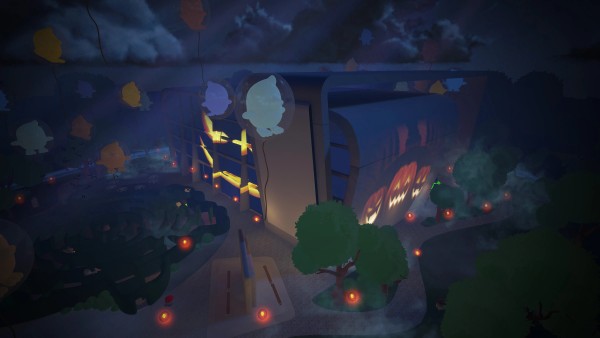
Can you find the skeleton of a FOMO Duck that has long since perished?
Do you think about whimsy in Highstreet's design?
Absolutely. The FOMO Ducks are meant to be fun, and different areas of the world reflect that. Some places are more whimsical and magical, while others are grounded and serious. The variety makes the world feel more dynamic.
Even in non-whimsical areas, we add fun details—like graffiti in the city that hints at hidden lore. It's about making the world feel lived-in and letting players stumble upon cool surprises.
Final Thoughts?
I'm excited to see how Highstreet continues to grow. And if you ever spot a hidden whale in the game—you'll know why!
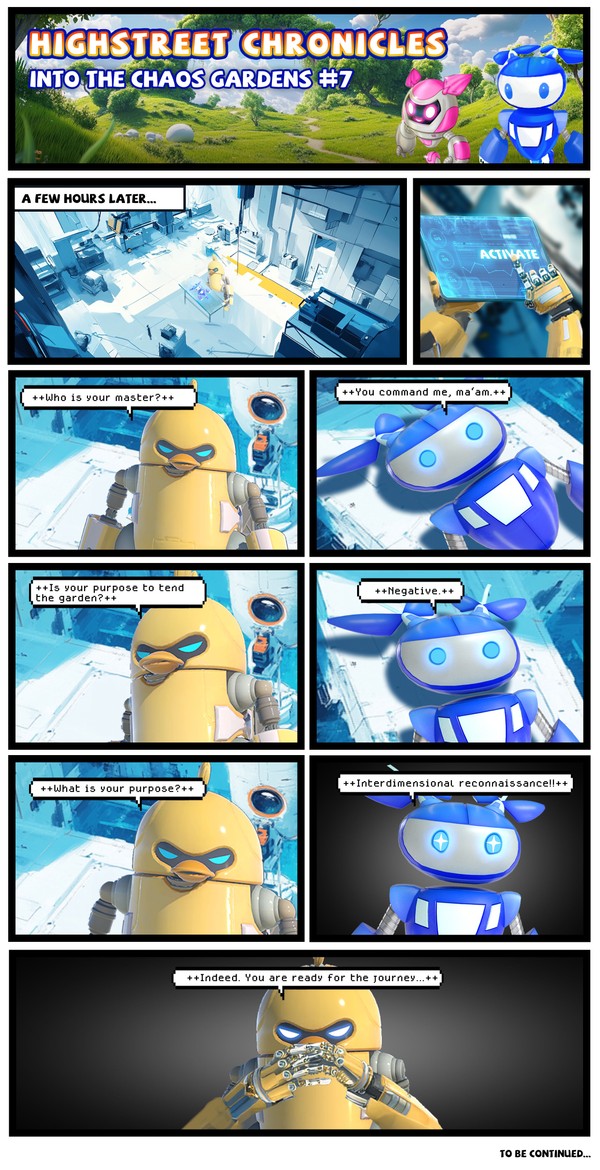
Highstreet Chronicles: Into the Chaos Gardens #7
Thank you!
That's all for this issue of The High Life.